Loopback 2.4.3 for MacOS Version Free Download 2026
Loopback 2.4.3 is a powerful macOS audio routing application developed by Rogue Amoeba. It allows users to create virtual audio devices that can route audio between applications, microphones, system sounds, and recording or streaming software. Loopback is widely used by podcasters, streamers, video creators, developers, and audio professionals who need precise control over audio sources on macOS.
Key Features
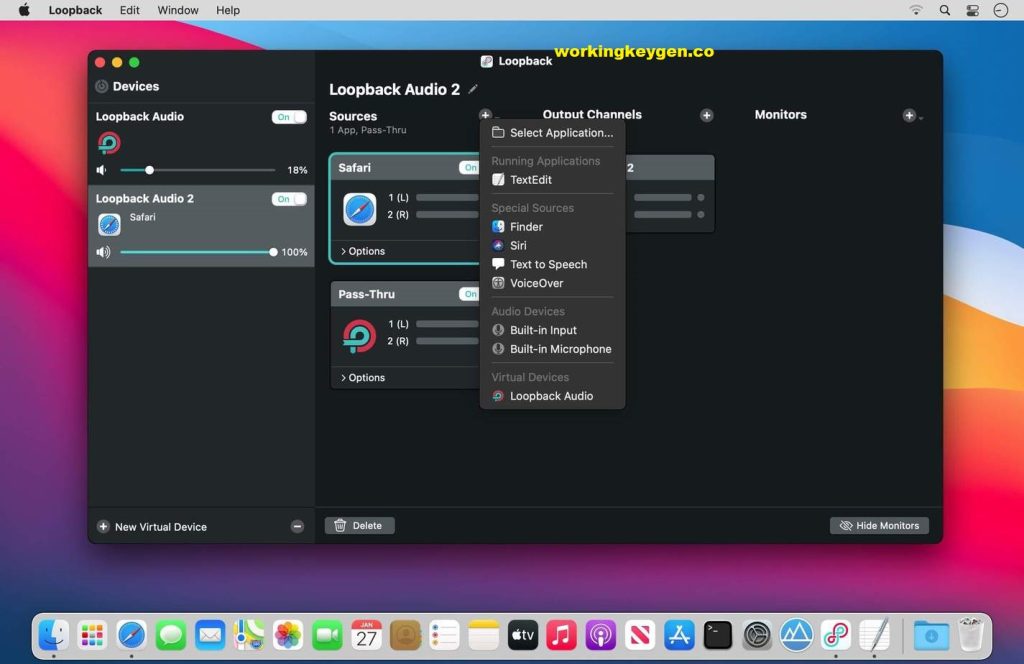
1. Virtual Audio Devices
Create custom virtual devices that act like real audio inputs and outputs on your Mac.
2. App-to-App Audio Routing
Send audio from one app (browser, music player, game) directly into another app (Zoom, OBS, recording software).
3. Multiple Source Mixing
Combine multiple audio sources such as:
-
Microphone
-
System audio
-
Music apps
-
Browser audio
4. Volume & Mute Controls
Individually control volume levels and mute sources within the Loopback interface.
5. Simple Drag-and-Drop Interface
Easily add or remove audio sources with a clean visual layout.
Pros & Cons
Pros
✔ Professional-grade audio routing
✔ Easy-to-use visual interface
✔ Supports multiple apps and audio sources
✔ Ideal for podcasters and streamers
✔ Stable and reliable performance
✔ No audio quality loss
Cons
✘ Paid software (free version has limitations)
✘ macOS-only
✘ Requires basic audio knowledge for advanced setups
✘ Not beginner-friendly for complex routing
✘ Needs system permissions for audio control
System Requirements
macOS Requirements
-
OS: macOS 10.12 (Sierra) or later
-
Processor: Intel or Apple Silicon (M1/M2/M3 supported)
-
RAM: 4 GB minimum (8 GB recommended)
-
Storage: Around 50 MB free disk space
-
Permissions: Microphone and audio system access required
Loopback 2.4.3 works well on modern macOS versions and is optimized for Apple Silicon Macs.
How to Install
-
Open Safari or any browser on your Mac.
-
Search for Loopback 2.4.3 for macOS.
-
Download the macOS installer file.
-
Open the downloaded file (
.dmg). -
Drag Loopback.app into the Applications folder.
-
Open Applications and launch Loopback.
-
Grant required permissions (microphone and system audio).
-
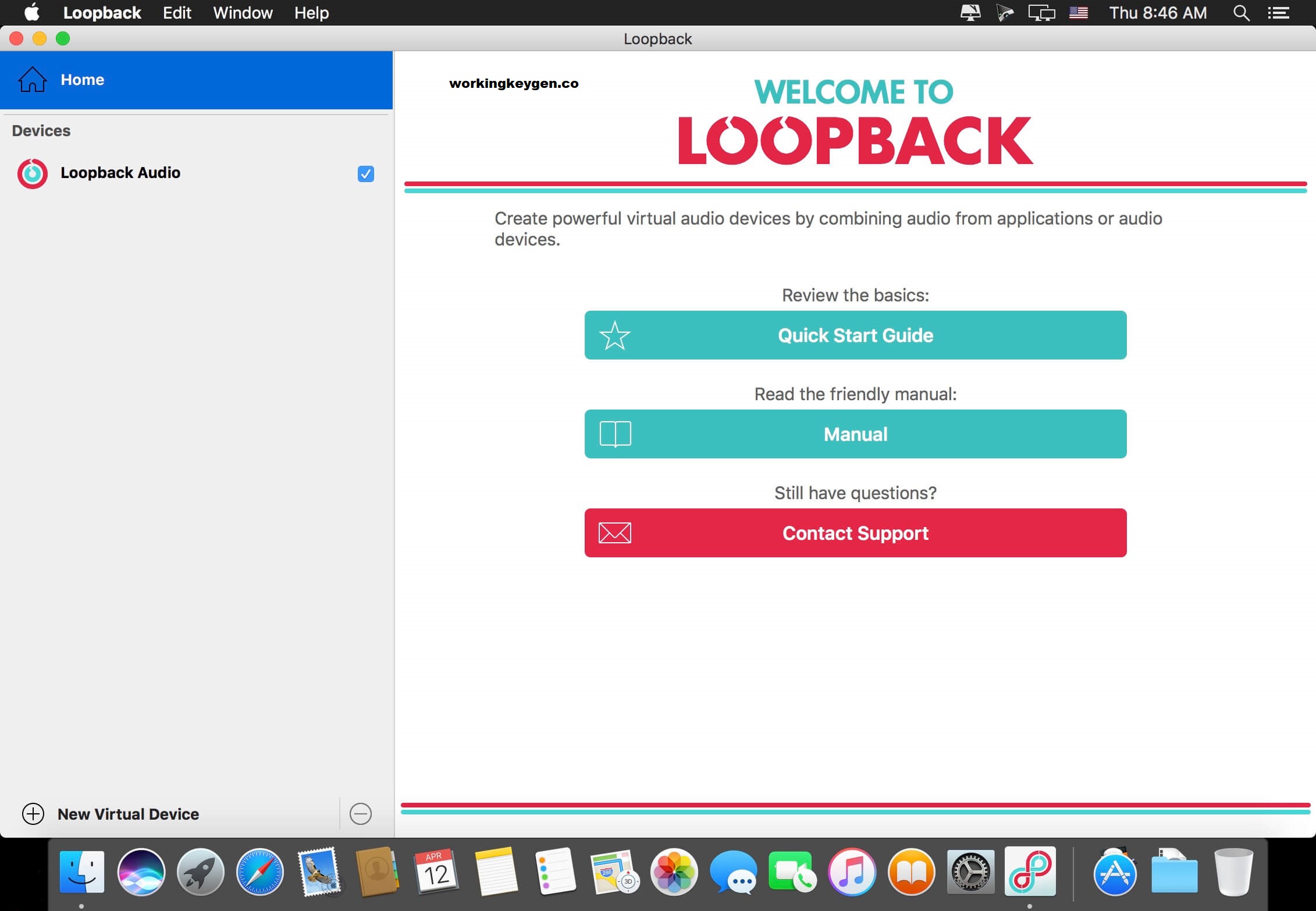
Create a new virtual device and add audio sources as needed.
Who Should Use Loopback?
-
Podcasters
-
YouTubers and streamers
-
Online teachers
-
Developers testing audio
-
Screen recording professionals
-
Remote meeting power users
Leave a Reply