Apple Safari Browser 26 for macOS – Fast, Secure, Optimized Web Browser

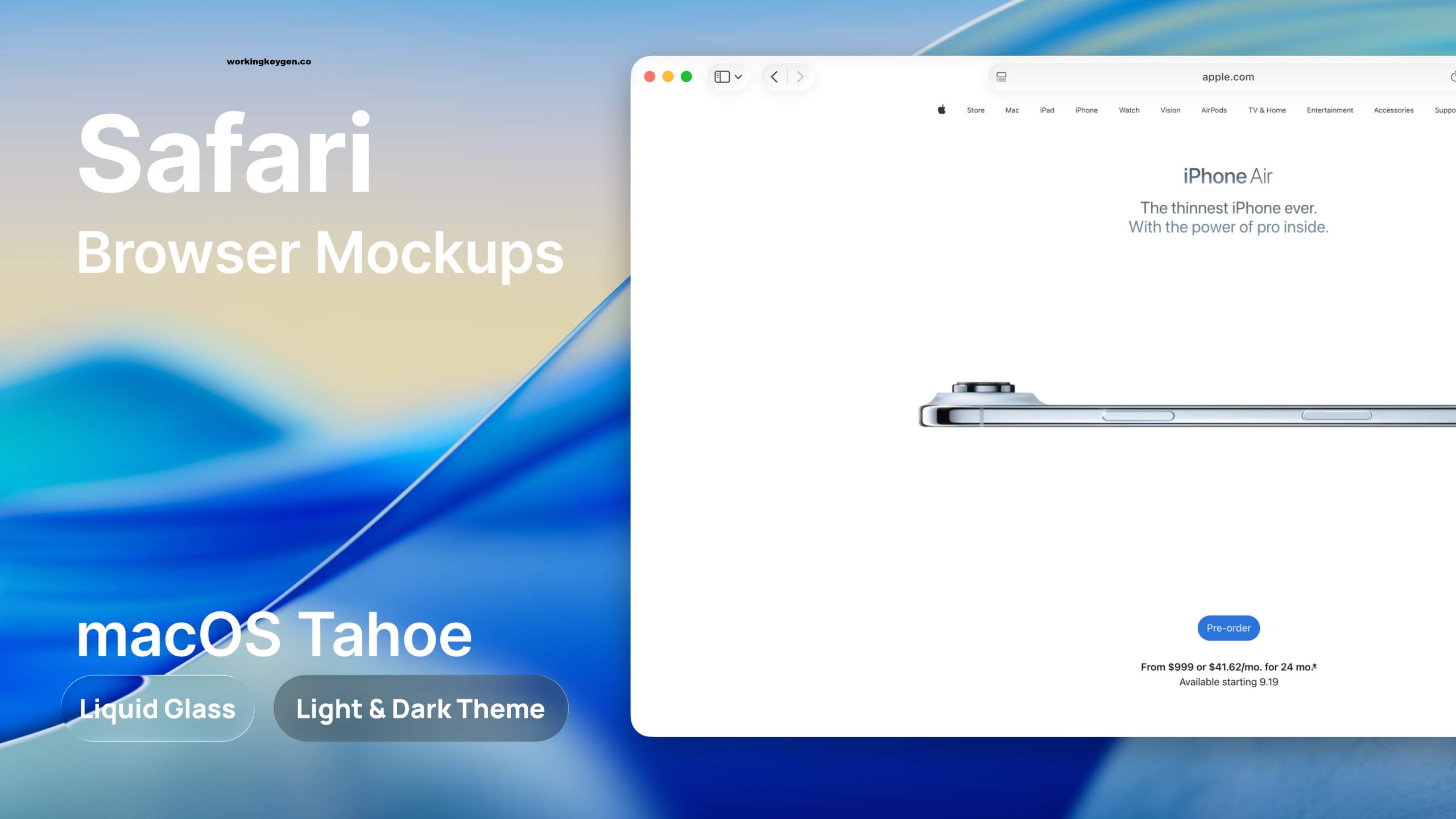
Apple Safari 26 is the latest major release of Apple’s built-in web browser for macOS. It comes bundled with the most recent versions of macOS, such as macOS Tahoe 26 and updates for macOS Sonoma and macOS Sequoia. Safari 26 focuses on performance improvements, modern web standards support, enhanced privacy protections, and support for newer multimedia features — keeping it competitive with other modern browsers.
Key Features
1. Modern Web Standards Support
Safari 26 adds improved support for features like WebGPU, which allows websites to better access GPU power for graphics and complex visual content.
2. HDR Image & SVG Icon Support
Safari 26 supports high-dynamic-range (HDR) images and scalable vector graphics (SVG) icons, enhancing image fidelity and visuals on compatible websites.
3. Stronger Privacy Protections
The browser includes additional safeguards to block tracking scripts, prevent fingerprinting, and remove needless tracking parameters from links during normal browsing.
4. Report Compatibility Issues
Users can report website compatibility problems directly within the browser, helping improve user experience across the web.
5. Better Performance
With optimizations under the hood and a refreshed version numbering system aligned with Apple’s modern OS releases, Safari 26 aims for faster browsing and reduced resource usage compared with older versions.
Pros & Cons
Pros
✔ Part of macOS — no separate install needed if your OS version supports it
✔ Tight integration with Apple ecosystem (iCloud Tabs, Handoff, Keychain)
✔ Modern web standards and enhanced graphics support
✔ Strong privacy features to protect users
✔ Optimized performance on Apple Silicon Macs
Cons
✘ Not available for older macOS versions — requires a modern OS like Tahoe, Sonoma, or Sequoia
✘ Some users report UI and performance issues in early releases (fixes are ongoing)
✘ Limited extension ecosystem compared with Chrome or Firefox
✘ Safari updates only come via macOS updates — you can’t update the browser separately outside the OS upgrade process
System Requirements
Safari is provided as part of the operating system and does not install separately outside of macOS updates. To run Safari 26, you’ll need:
Supported macOS Versions
-
macOS Tahoe 26
-
macOS Sonoma (latest compatible builds)
-
macOS Sequoia (latest compatible builds)
Hardware Requirements
-
Apple Silicon Macs (M1, M2, M3 series)
-
Supported Intel-based Macs compatible with the above macOS versions
-
Minimum 4 GB RAM recommended (8 GB+ optimal)
-
Sufficient free storage for macOS updates
Because Safari updates are tied to macOS updates, the system must be running an OS version that includes or supports Safari 26. Older systems (e.g., Big Sur or earlier) cannot run Safari 26 — Apple stopped supporting Safari on older OS versions.
How to Install
Safari isn’t installed as a separate browser package on macOS — you get Safari updates through macOS updates provided by Apple:
1. Open Software Update
-
Click the Apple menu in the top-left corner of the screen.
-
Choose System Settings (or System Preferences on older macOS).
2. Go to Software Update
-
In System Settings, choose General → Software Update (or directly Software Update on older OS).
-
Your Mac will check for available updates.
3. Install macOS Update
-
If a macOS update is available that includes or enables Safari 26 (e.g., macOS Tahoe 26, Sonoma, or Sequoia update), click Update or Upgrade.
-
Follow the onscreen instructions.
4. Restart & Verify
-
After installation, your Mac may restart.
-
Open Safari and choose Safari → About Safari to verify the version number.
Apple no longer provides separate Safari installers for macOS — the browser is updated only through official macOS updates.
Leave a Reply